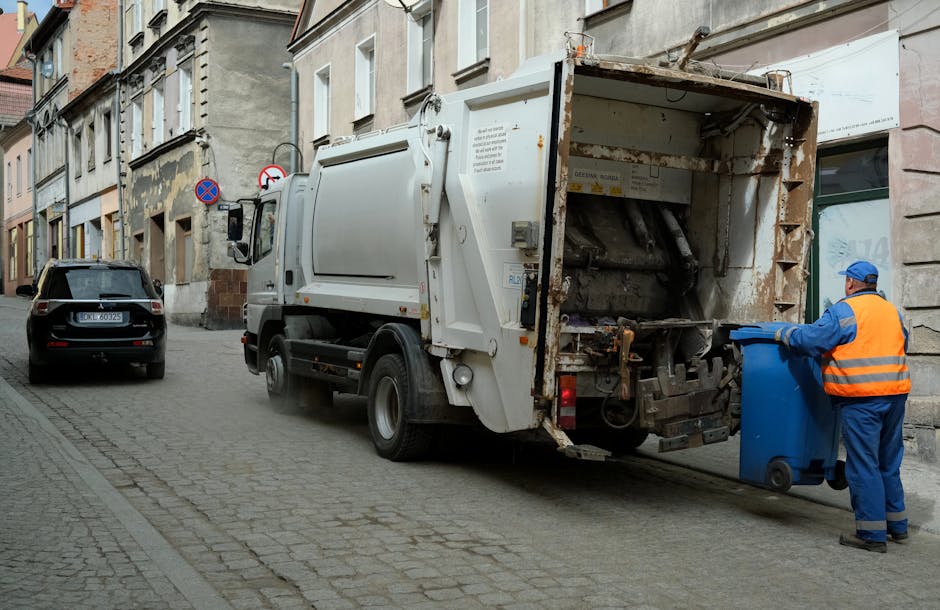
N8 Bulky Waste Pickup Options for Hornsey High Street: A Practical Local Guide
If you live or work near Hornsey High Street, bulky waste has a habit of becoming urgent at the worst possible time. A sofa lands in the hallway. A broken fridge takes over the kitchen. A garage starts looking less like storage and more like a slow-moving obstacle course. This guide to N8 bulky waste pickup options for Hornsey High Street explains the real choices available, what each one is best for, and how to avoid the usual headaches.
Truth be told, most people do not need a grand waste strategy. They just need the right pickup option, at the right time, without upsetting neighbours or blocking access outside a busy North London street. That is what this article is here for. You will get a clear breakdown of how bulky waste collections work, when a professional clearance makes more sense than a council-style pickup, and what to check before you book anything.
Table of Contents
- Why N8 bulky waste pickup options for Hornsey High Street Matters
- How N8 bulky waste pickup options for Hornsey High Street Works
- Key Benefits and Practical Advantages
- Who This Is For and When It Makes Sense
- Step-by-Step Guidance
- Expert Tips for Better Results
- Common Mistakes to Avoid
- Tools, Resources and Recommendations
- Law, Compliance, Standards, or Best Practice
- Options, Methods, or Comparison Table
- Case Study or Real-World Example
- Practical Checklist
- Conclusion
- Frequently Asked Questions
Why N8 bulky waste pickup options for Hornsey High Street Matters
Hornsey High Street sits in a part of London where space is precious, traffic can be awkward, and even a short delay can turn a simple waste job into a nuisance. That is why choosing the right bulky waste pickup matters. It is not just about getting rid of an old item. It is about doing it cleanly, legally, and with as little disruption as possible.
Bulky waste is usually anything that is too large, awkward, or heavy for everyday bins. Think mattresses, wardrobes, divan bases, desks, broken white goods, and worn-out furniture. On a street like Hornsey High Street, the practical challenge is not only removal. It is timing, access, lifting, and making sure the waste does not sit around causing clutter or complaints.
There is also the simple reality of London living. Flats above shops, narrow stairways, shared entrances, limited parking, and busy footfall all make waste removal more complicated than it sounds on paper. One wrong move and your "quick tidy-up" turns into a half-day saga. Nobody wants that on a Saturday morning.
If you are clearing a single item, you may want a straightforward pickup. If you are emptying a flat, shop backroom, loft, or rental property, a fuller service such as flat clearance or home clearance may be much more practical. The point is to match the service to the actual mess. Sounds obvious, but people often don't. Then they pay twice.
How N8 bulky waste pickup options for Hornsey High Street Works
Most bulky waste pickup options fall into a few broad types. Some are scheduled collections, some are on-demand clearances, and some work best when you have lots of mixed items. The right choice depends on what you need removed, how quickly you need it gone, and how easy it is to access the property.
1. Council-style bulky waste collection
This is usually the most familiar option for households. It often works best for one or two large items and when you are not in a rush. The process can be simple in principle: you book, place the items where requested, and wait for collection. The downside is that timing may be less flexible, and not every item is accepted in every case.
2. Private bulky waste pickup
A private collection is usually more flexible. This is where a clearance team comes to your property, removes the items from inside or from a suitable collection point, and takes them away in one visit. This option is often better if you have stairs, mixed waste, heavier items, or a tight deadline. For larger loads, it can also be less stressful than trying to organise several separate collections.
3. Room-by-room or property-wide clearance
If you are dealing with a loft, garage, office, or a property that needs more than just one item gone, a broader clearance makes life easier. Services such as loft clearance, garage clearance, and office clearance are suited to situations where waste is mixed, bulky, and not neatly stacked by the door.
In practice, the pickup usually starts with a quick assessment: what needs removing, how much space it will take, whether the load includes any restricted items, and how access will work. Then the team loads, sorts, and transports it. Good operators will also separate reusable or recyclable items where appropriate, which is a sensible bonus rather than a miracle.
Key Benefits and Practical Advantages
The best bulky waste pickup option is not always the cheapest one. It is the one that saves time, reduces stress, and fits the property layout. On Hornsey High Street, that often matters more than people expect.
- Less disruption: A well-planned pickup avoids items sitting in hallways or outside longer than needed.
- Better access handling: Narrow stairs, basement flats, and tight entrances are easier to manage with a proper team.
- One-stop removal: Multiple items can often be cleared in one visit rather than booked separately.
- Reduced lifting risk: Heavy or awkward objects are handled by people who do this every day.
- Cleaner finish: A professional pickup usually leaves the area tidier, not just emptier.
- More suitable for mixed waste: If your load includes furniture, appliances, and general junk, a clearance service is often simpler than trying to split it apart yourself.
There is also a subtle but important emotional benefit: once the bulky waste is gone, the property instantly feels manageable again. A room looks bigger. The air feels lighter. That sounds a bit dramatic, maybe, but anyone who has stared at a dead sofa for three weeks will know exactly what I mean.
If your waste is mainly old household furniture, take a look at furniture disposal and furniture clearance options, as these are often the most direct fit for the job.
Who This Is For and When It Makes Sense
This topic is relevant to a lot of different people, not just homeowners. In fact, Hornsey High Street tends to bring a mix of needs together in one place: flats above shops, small businesses, rental properties, and households doing a seasonal clear-out.
You may need bulky waste pickup if you are:
- moving out of a flat and need old furniture removed quickly
- clearing a rented property between tenancies
- replacing a sofa, bed, fridge, or wardrobe
- emptying a garage, loft, or storage space
- dealing with office furniture or stock room clutter
- sorting out after decorating or minor building work
- trying to clear one oversized item that will not fit in a normal vehicle
For landlords and letting agents, speed and reliability usually matter most. For residents, the key issue is often convenience. For small business owners, it is continuity. You do not want a pile of waste hanging around the front of a shop while customers walk past. That is bad for the business and bad for your nerves.
Where the load is mixed or comes from a renovation job, you may want to compare standard bulky waste pickup with builders waste clearance or broader waste removal. The decision usually comes down to volume, access, and how much sorting you want to do yourself.
Step-by-Step Guidance
If you want the process to go smoothly, think in stages. That's the cleanest way to avoid delays, extra lifting, or awkward surprises on the day.
- List the items carefully. Count everything you want removed. Include sizes if you can. A "big chair" and a three-seater sofa are very different jobs.
- Separate normal bulky waste from restricted materials. Appliances, sharp objects, chemicals, and damp materials may need special handling.
- Check access. Can items be removed from a flat, basement, rear yard, or only from the front? Narrow staircases matter more than you think.
- Choose the right collection type. One item? Maybe a direct pickup. Several rooms? A clearance service is likely better.
- Prepare the items. Clear loose contents, unplug appliances, and make sure doors or drawers are secured.
- Ask about loading and disposal. Good practice is to confirm whether the team will carry items from inside the property and what happens to recyclables.
- Book a time that suits the street. If possible, avoid peak congestion or times when loading access is likely to be awkward.
A small but useful tip: if you have a couple of items near a doorway and a couple more in a loft, gather them the day before. You will save a surprising amount of time. And you will not be rushing about in socks while someone waits by the van. Been there, regrettably.
If you are dealing with items like a fridge, freezer, washer, or cooker, it is worth checking fridge and appliance removal before booking. These items can be awkward, and a little planning helps.
Expert Tips for Better Results
In our experience, the cleanest pickups come from people who spend ten minutes planning and save themselves an hour later. Not glamorous, but effective.
- Photograph the load before booking. This helps everyone understand the job and reduces miscommunication.
- Be honest about stairs and access. A hidden flight of stairs can turn a tidy job into a slow one.
- Keep one pathway clear. Even a small corridor space helps the team work safely and quickly.
- Separate reusable items if you can. A small divide between reusable, recyclable, and true waste can make the pickup smoother.
- Do not leave hazardous items mixed in. Paints, batteries, solvents, and sharp waste need special care.
- Ask about recycling expectations. A responsible service should be comfortable explaining how it handles sorting and disposal.
One thing people underestimate is the sound of a busy street. If you are near traffic, buses, or delivery vans, it may be harder to communicate while loading. Clear instructions before the team starts can make a real difference. Less shouting, fewer mistakes, all very civilised.
If sustainability matters to you, it is worth reading about recycling and sustainability so you have a better idea of what happens after collection.
Common Mistakes to Avoid
Most bulky waste problems are not dramatic. They are small planning errors that snowball. A half-bad estimate. A forgotten appliance. A blocked entrance. Little things, honestly.
- Underestimating item size: A mattress looks simple until it meets a narrow staircase.
- Forgetting about parking or loading access: On busy streets, access can matter more than the load itself.
- Mixing hazardous waste with general rubbish: This is one of the fastest ways to create a compliance headache.
- Not confirming what is included: Some pickups are item-based, others are load-based. Know which you are booking.
- Leaving sorting until collection day: That is how delays happen.
- Choosing the wrong service type: A tiny collection for a huge job is false economy.
Another common mistake is assuming a skip is always the simplest option. It can be useful in the right setting, but on a street like Hornsey High Street it may not be ideal if space is tight or permit issues become part of the story. If you are comparing methods, the page on what can go in a skip may help you judge whether a skip-based solution is even appropriate.
Tools, Resources and Recommendations
You do not need a lot of gear to organise bulky waste pickup well, but a few simple tools help.
- Measuring tape: Useful for checking whether furniture will fit through doors and stairwells.
- Phone camera: Helpful for photos when requesting a quote or checking item condition.
- Sticky notes or labels: Handy if multiple people in the property are sorting items.
- Gloves and sturdy footwear: Essential if you are moving items to a collection point yourself.
- Basic screwdriver or hex key: Sometimes needed to dismantle bed frames or flat-pack furniture.
From a service perspective, it helps to work with a team that explains pricing, safety, and disposal clearly. Pages such as pricing and quotes, payment and security, and insurance and safety are the kinds of information a careful reader should check before confirming any pickup.
For larger household clear-outs, it can also be useful to look at house clearance or home clearance. Those services are often more efficient when the bulky waste is only one part of a bigger job.
Law, Compliance, Standards, or Best Practice
Bulky waste pickup is not just a logistics issue. It also involves sensible disposal practice. In the UK, waste carriers, handlers, and disposers are expected to manage waste properly, and householders still have a responsibility to avoid handing items to someone who may dump them illegally. That is the basic idea, even if the paperwork behind it gets a bit less exciting.
The safest approach is to use a provider that is transparent about what it collects, how waste is handled, and how it deals with special items. If an item is damaged, sharp, contaminated, or potentially hazardous, it should be treated with extra care. That may mean a separate process or a specific disposal route. Pages such as hazardous waste disposal and confidential shredding show the broader range of responsible handling that a good operator may offer.
Best practice also includes:
- clear item descriptions before booking
- safe lifting and carrying methods
- separating reusable and recyclable items where possible
- keeping access routes clear for workers and neighbours
- avoiding fly-tipping by using only legitimate collection and disposal routes
If you are dealing with business premises or stock rooms, it is worth paying even more attention to duty of care and disposal records. For that kind of work, business waste removal can be the more suitable route.
Options, Methods, or Comparison Table
Here is a straightforward comparison of the main pickup methods people tend to consider around Hornsey High Street.
| Option | Best for | Pros | Watch-outs |
|---|---|---|---|
| Local bulky waste collection | One or two large household items | Simple for light jobs; familiar process | Less flexible timing; may not suit mixed loads |
| Private bulky waste pickup | Fast removal, difficult access, mixed items | More flexible; often quicker; can include lifting from inside | Pricing can vary depending on volume and access |
| Flat or home clearance | Multiple rooms or end-of-tenancy jobs | Efficient for larger clear-outs; handles mixed waste well | May be more service than you need for a single item |
| Furniture-specific disposal | Sofas, beds, wardrobes, chairs | Good fit for common bulky household items | Not ideal if the job also includes appliances or clutter |
| Skip-based removal | DIY projects with predictable waste | Useful when you need ongoing access to a container | Space, permit, and waste-type restrictions can be an issue |
To be fair, there is no single winner for every job. A single mattress removal and a full flat clearance are completely different animals. If you compare them honestly, the right choice becomes obvious pretty quickly.
Case Study or Real-World Example
Imagine a first-floor flat near Hornsey High Street after a tenant move-out. The landlord has a worn sofa, an old wardrobe, a broken desk chair, two storage boxes of mixed bits, and a fridge that no one wants to argue with. The hallway is narrow, the stairwell turns sharply at the landing, and there is limited space outside for parking.
A basic one-item pickup would be the wrong tool here. A skip would be awkward and probably overkill. A better option would be a scheduled private clearance, likely supported by furniture and appliance removal. In one visit, the bulky items can be taken from inside, the access route managed properly, and the flat left ready for cleaning and inspection.
That sort of job is exactly where a broader service saves time. The landlord avoids chasing multiple collections. The tenant avoids last-minute stress. And the street does not end up with furniture sat outside until someone can be bothered to move it. Nice and simple, really.
For a job with this mix of items, it would also make sense to review mattress and sofa disposal if those are part of the load, because soft furnishings are among the most common bulky items people need gone quickly.
Practical Checklist
Use this quick checklist before you book any bulky waste pickup near Hornsey High Street.
- List every item that needs to go
- Check whether any item is hazardous or restricted
- Measure large pieces and note stair access
- Decide whether you need single-item pickup or full clearance
- Take a few photos if you are requesting a quote
- Clear a route to the items if possible
- Remove personal belongings from drawers, shelves, and cupboards
- Ask how the waste will be sorted, loaded, and disposed of
- Confirm payment method and any access requirements
- Choose a time that works with street traffic and neighbours
Key takeaway: The best bulky waste solution is the one that fits the property, the load, and the access conditions. On Hornsey High Street, flexibility and safe handling usually matter more than chasing the cheapest headline price.
If you want to understand the company behind the service before making a decision, it can help to read about us. For general policies and customer confidence, pages such as health and safety policy, complaints procedure, and privacy policy are also worth a glance. Not glamorous, I know, but useful.
Conclusion
When people search for N8 bulky waste pickup options for Hornsey High Street, they are usually trying to solve a very practical problem: how to get large, awkward, unwanted items removed without wasting time or creating more mess. The answer depends on scale, access, urgency, and the type of waste involved.
For a single straightforward item, a simple pickup may be enough. For mixed loads, tight staircases, flats above shops, or anything time-sensitive, a more flexible clearance option often makes more sense. The main thing is to plan it properly and choose a service that matches the job rather than forcing the job into the wrong service.
Take your time, check the details, and keep things sensible. A good bulky waste pickup should feel like the relief of opening a crowded room and finally seeing the floor again. That moment matters.
Get a free quote today and see how much you can save.
Frequently Asked Questions
What counts as bulky waste on Hornsey High Street?
Bulky waste usually means items that are too large or heavy for normal household bins, such as sofas, beds, wardrobes, mattresses, and large appliances.
Is a private pickup better than a council collection?
It depends on the job. Private pickup is often better for urgent, awkward, or mixed loads, while a council-style collection can suit a small number of items if timing is not critical.
Can bulky waste be removed from inside a flat?
Often yes, if the service includes lifting from inside the property. That is especially helpful in flats above shops or homes with narrow access.
What should I do before the collection day?
Clear personal belongings from the items, make a list, check access routes, and confirm whether anything needs special handling.
Do I need to dismantle furniture first?
Not always, but dismantling large items can help if access is tight. Bed frames and wardrobes are common examples.
Can appliances be taken away with bulky waste?
Sometimes yes, but appliances may need a specific removal process. Fridges, freezers, and similar items are worth checking in advance.
What if my waste includes hazardous items?
Hazardous items should not be mixed into a standard load. They need separate, careful handling and should be declared before booking.
How do I know if I need a full clearance instead of a single pickup?
If you have waste from several rooms, a loft, garage, or rental property, a full clearance is usually more efficient than booking item by item.
Is skip hire a good option for Hornsey High Street?
Sometimes, but not always. Space, access, and waste type all matter. For many bulky items, direct pickup is simpler.
Will the waste be recycled?
That depends on the provider and the items collected. It is sensible to ask how sorting and recycling are handled before booking.
How much notice do I need to give?
It varies. Some jobs can be arranged quickly, while larger or more complex pickups may need more notice. If timing is important, ask early.
What is the safest way to move a heavy item to the curb?
Use proper lifting technique, wear sturdy footwear, and avoid moving anything too heavy alone. If in doubt, leave it where it is and have it collected from inside.